
Category: Uncategorized
-
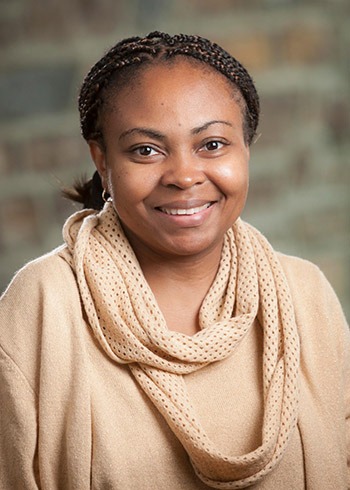
Infants, Immunity, Infections and Immunization
Dr. Giny Fouda’s research focuses on infant immune responses to infection and vaccination. Her curiosity about immunology arose during her fourth year of medical school in Cameroon, when she randomly picked up a book on cancer immunotherapy and was captivated. Until then, she conducted research on malaria and connected it to her interest in pediatrics…
-
Games, Art, and New Frontiers
Beneath Duke University’s Perkins library, an unassuming, yet fiercely original approach to video games research is underway. Tied less to computer science and engineering than you might expect, the students and faculty are studying games for their effects on players. I was introduced to a graduate researcher who has turned a game into an experiment.…
-
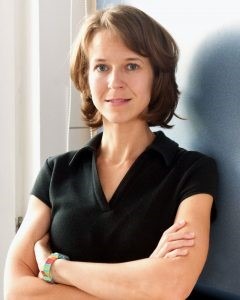
Sharing is Caring, But How Does it Start?
As an occasional volunteer at a local children’s museum, I can tell you that children take many different approaches to sharing. Some will happily lend others their favorite toys, while others will burst into tears at the suggestion of giving others a turn in an exhibit. For Rita Svetlova Ph.D. at the Duke Empathy Development…
-
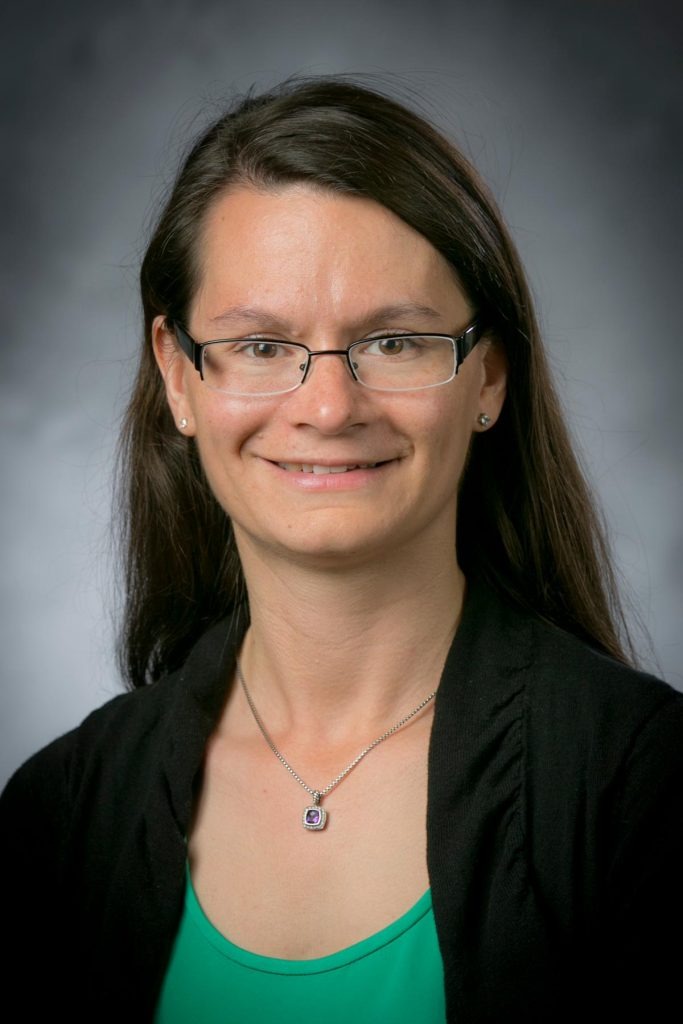
How Do You Engineer a Microbial Community?
This is the first of several posts written by students at the North Carolina School of Science and Math as part of an elective about science communication with Dean Amy Sheck. Claudia Gunsch, the Theodore Kennedy distinguished associate professor in the department of civil and environmental engineering, wants to know how to engineer a microbial…
-

Understanding the Universe, Large and Small
From the miniscule particles underlying matter, to vast amounts of data from the far reaches of outer space, Chris Walter, a professor of physics at Duke, pursues research into the great mysteries of the universe, from the infinitesimal to the infinite. As an undergraduate at the University of California at Santa Cruz, he thought he…
-
Pursuing Smell as a Path Into the Brain
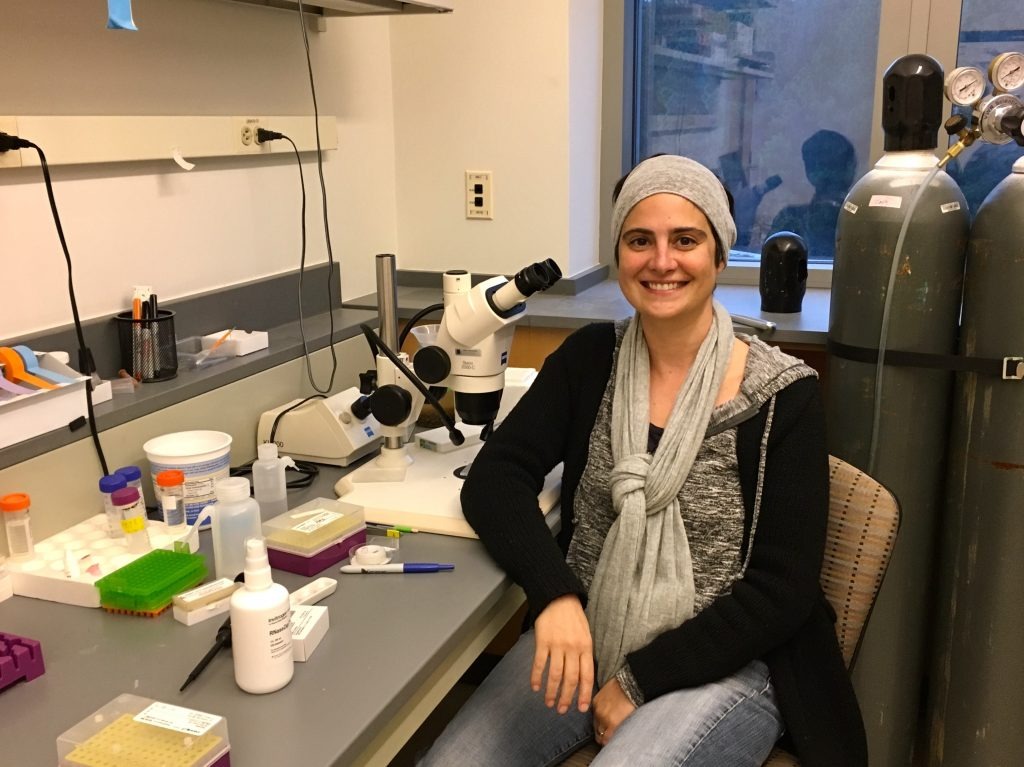
A person’s (or fly’s) sense of smell, or their olfactory system, is one of these pieces. Though olfaction may not be the first part of the nervous system to cross someone’s mind when it comes to how we understand the brain, it is actually one of the most complex and diverse systems of an organism,…
-
An Indirect Path to Some Extreme Science
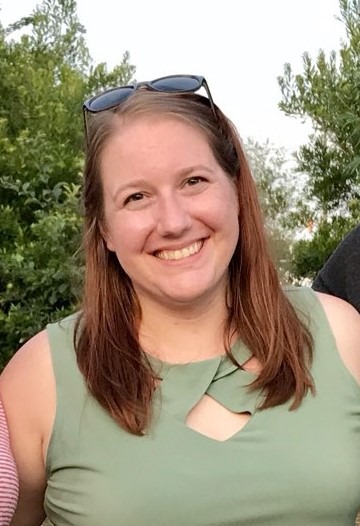
Dr. Cynthia Darnell’s path to becoming a postdoctoral researcher in the Amy Schmid Labat Duke University was, in her words, “not straightforward.” At the start of her post-high school career, Darnell had no clue what she wanted to do, so she went to community college for the first two years while she decided. She had…
-
Finding Success in Science and the Economic Brain
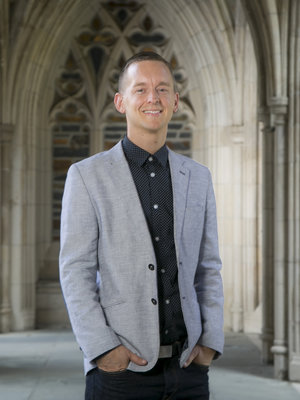
How can we understand how humans make decisions? How do we measure the root of motivation? Gregory Samanez-Larkin, an assistant professor in Psychology & Neuroscience at Duke, uses neuroeconomic and neuromarketing approaches to seek answers to these questions. He combines experimental psychology and economics with neuroimaging and statistical analysis as an interdisciplinary approach to understanding…
-
Tiny Bubbles of Bacterial Mischief
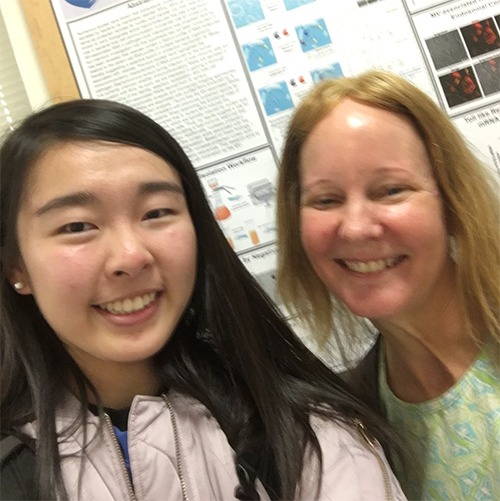
Margarethe (Meta) Kuehn studies vesicles — little bubbles that bud off bacterial membranes. All sorts of things may be tightly packed into these bubbles: viruses, antigens, and information a bacterium will need to make cells vulnerable to infection. But why do bacteria produce these small membrane vesicles in the first place? Why not spread out…
-
Biology by the Numbers
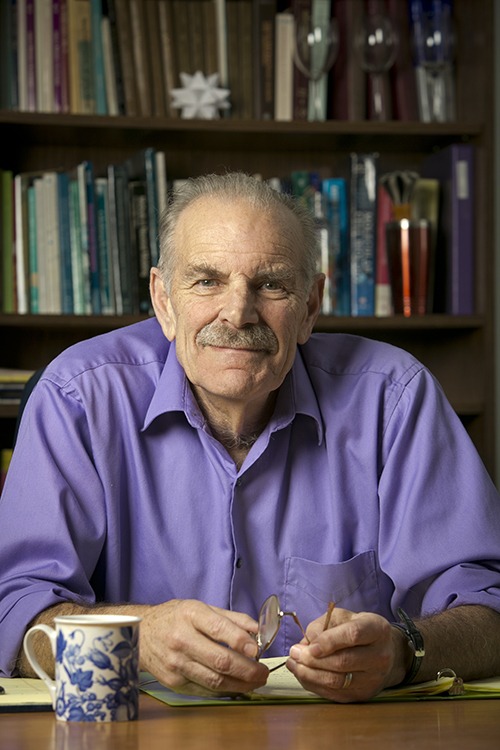
Michael C. Reed was trained as a pure mathematician, but from the start, he was, as he explained to me, a “closet physiologist.” He’s a professor of mathematics at Duke, but he’s always wondered how the body works. Reed explains an example to me: women have elbows that are bent when their arms are straightened,…
-
Jonathan Mattingly: Mathematics and Maps to Define Democracy
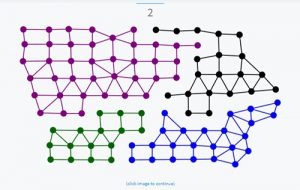
What began as an undergraduate project looking at how to create a “typical” map of congressional districts expanded to a national investigation for Duke mathematics chair Jonathan Mattingly. He was generous enough to speak to me about some of his recent work in mathematically investigating gerrymandering and the communication which followed between lawmakers and statisticians.…
-
Beatriz Morris: Providing Pediatric Care in Two Languages
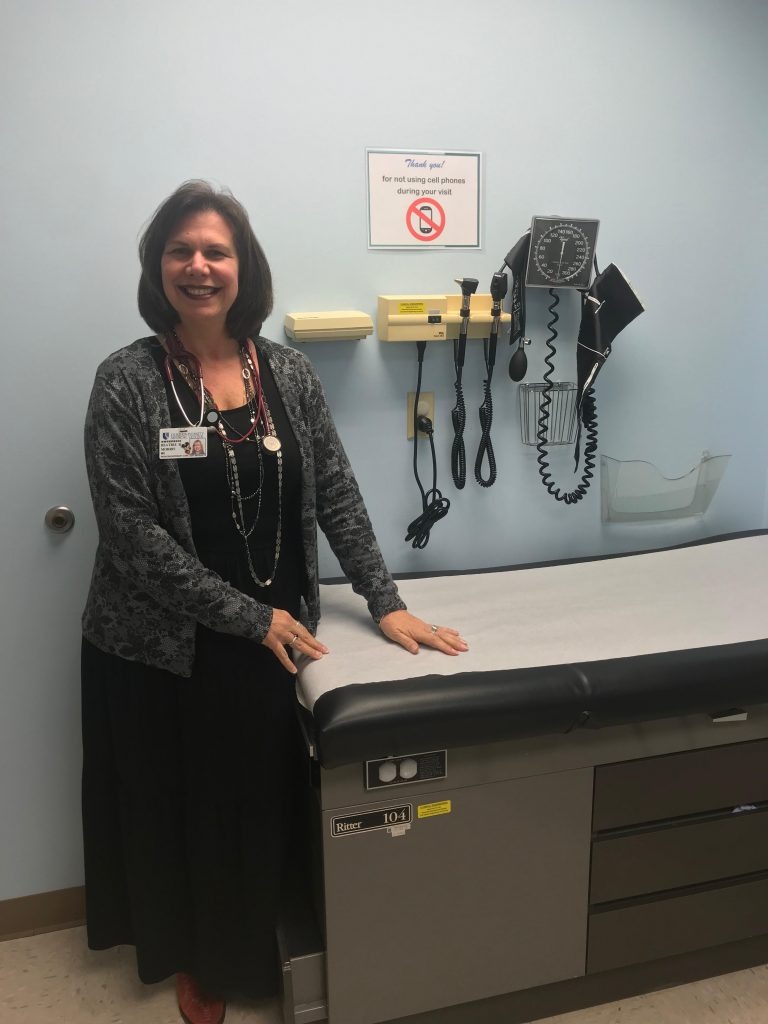
“‘Betty, education is the most important thing,” her father said. “We lost our home, our land, our cars, our farm, everything we have ever owned. But what I have in my head, no one can take away from me.’” Six-year-old Beatriz glanced back up at her father and then towards the new life ahead of…
-
David Carlson: Engineering and Machine Learning for Better Medicine
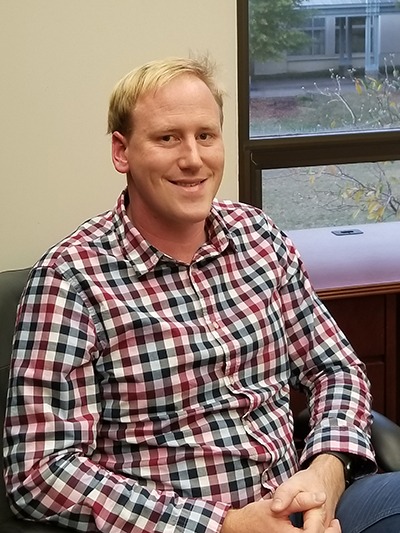
How can we even begin to understand the human brain? Can we predict the way people will respond to stress by looking at their brains? Is it possible, even, to predict depression based on observations of the brain? These answers will have to come from sets of data, too big for human minds to work…
-
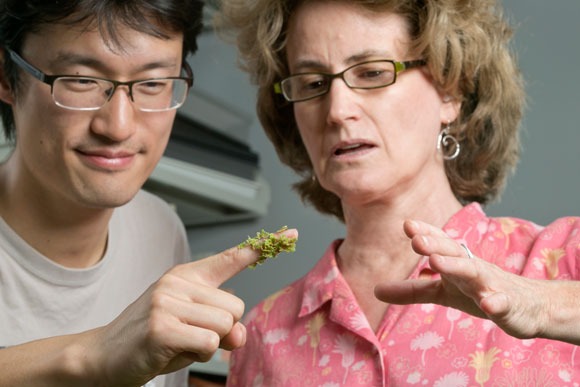
Kathleen Pryer: A Passion for the Little-Loved Fern
Most people don’t see in ferns the glory and grandeur of the mighty angiosperms — the flowering plants — but to those who can, ferns may seem like the only thing you could spend your time researching. Kathleen Pryer, a professor of biology at Duke, is an example of one of these people who found…
-

Leonor Corsino: Research and Care Toward Alleviating Diabetes
Dr. Leonor Corsino works to relieve the prevalent issues regarding diabetes and obesity. An endocrinologist and professor at the Duke School of Medicine, her passions lie in understanding the struggles that diabetics face through comprehensive patient care and communication. Her interests in endocrinology began at a young age. She grew up watching her father and…
-
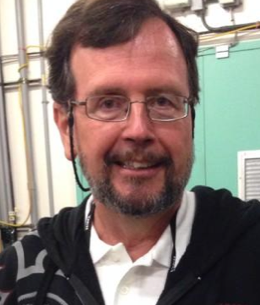
Martin Brooke: Mentoring Students Toward an X Prize for Ocean Robotics
We know less about the ocean floor than the surface of the moon. As one of the most unexplored areas of the world, multiple companies have begun to incentivize ingenuity towards exploring the oceans. Among these organizations are the Gates Foundation, the National Academy of Sciences, and X Prize. Martin Brooke, an Associate Professor of…
-
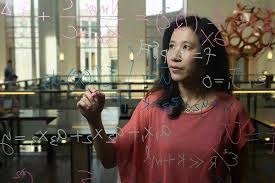
Anita Layton: A Model of STEM Versatility
Using mathematics to model the kidney and its biological systems is a field of study located at the intersection of two disciplines. But for Duke’s Anita Layton, PhD, the Robert R. and Katherine B. Penn Professor of Mathematics and a professor of biomedical engineering, that just adds to the fun of it. Growing up, with…
-
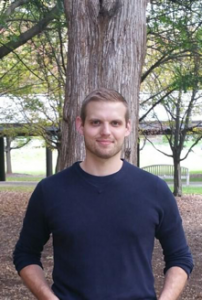
Not Your Basic Bench: Zebrafish Reveal Secrets of the Developing Gut
Our intestine is a highly complex organ – a tortuous, rugged channel built of many specialized cell-types and coated with a protective, slimy matrix. Yet the intestine begins as a simple tube consisting of a central lumen lined by a sheet of epithelial cells, which are smooth cells that lie on the surface of the…
-
Totally Tubular! Fluid forces that affect the development of biological tubes
Have you ever wondered how something as simple as fluid can impact the development of a large organism? How about the way tubes form in relation to each other? Or maybe you’ve wondered how it is possible for something as rigid as a spine to be formed from fluid? Dr. Michel Bagnat and his lab…
-

Treating Traumatic Brain Injury
After a traumatic brain injury (TBI), the brain produces an inflammatory response. This prolonged swelling is known as cerebral edema and can be fatal. Unfortunately, the only medications available just address symptoms and cannot directly treat the inflammation. Some people can walk out okay after suffering from this injury, yet others can become comatose or…