
-

How the body’s own defense system plays a role in Alzheimer’s disease
Carol Colton, a distinguished professor in neurology and pathology and a member of the Duke Institute for Brain Sciences, is renowned for her groundbreaking research on the immune response’s role in the onset and progression…
-

Meet a Duke Expert on Pain: the Sixth Sense
Duke Associate Professor of Anesthesiology Andrea Nackley is a kind, passionate scientist, although her most notable quality is determination. As a first generation college student, a mother of two teenagers, and a triathlon athlete, she…
-

Invincible Insect Pests Don’t Faze This Researcher
“My passion for what I do saved my life.” Meet Ke Dong, a biology professor at Duke University. She’s a lover of nature, a great cook, and a Lupus survivor. About 20-25 years ago, she…
-
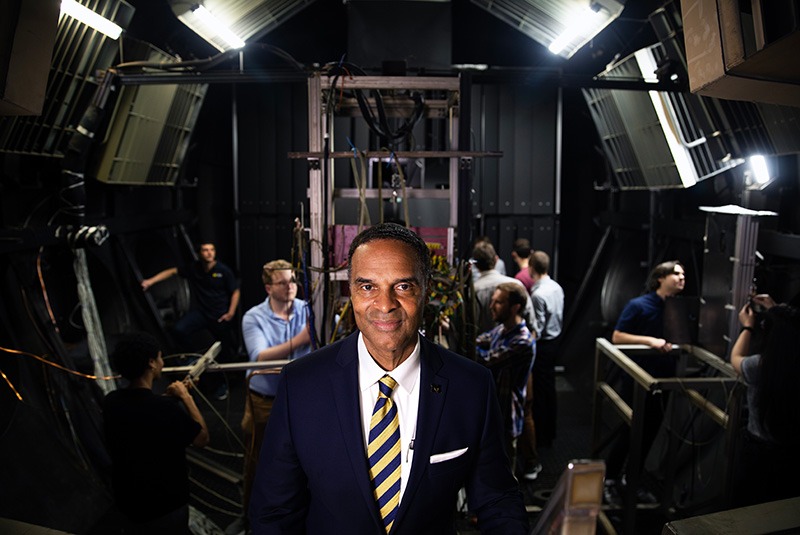
From Propulsion to Provost: A Conversation With Alec Gallimore
Science fiction may seem an unlikely source for research inspiration. But for Duke University Provost Alec Gallimore, it has been just that: inspiration for a career’s worth of electric propulsion research. Gallimore said it was…
-
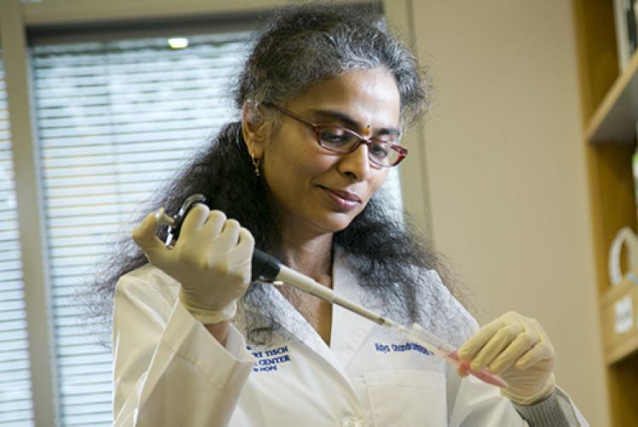
Advancing Immunotherapy for Glioblastoma
Duke professor Vidyalakshmi Chandramohan is a pioneering neuro-oncologist whose work is redefining the future of glioblastoma (GBM) treatment. As a researcher in the Department of Neurosurgery at Duke, she is driven by a profound commitment…
-
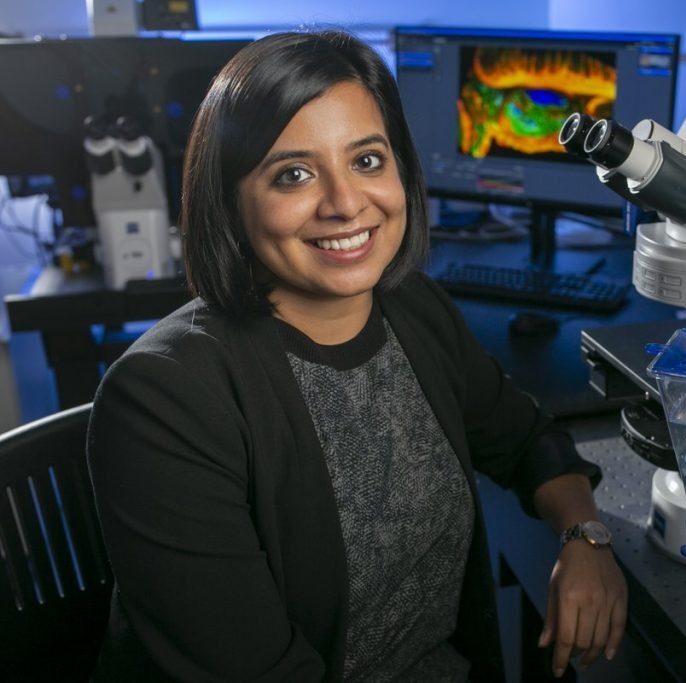
What can we learn from watching a fish’s ear take shape? You might be surprised
Dr. Akankshi Munjal is a developmental biology researcher at Duke University, who studies the development and mutations of inner ear tissue in zebrafish, and how that may be caused by genome disorders. From a young…
-
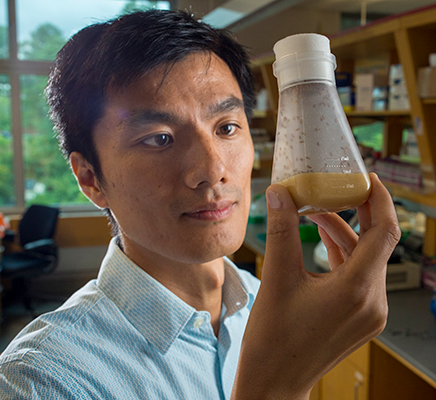
Charting New Territory in Genomics: Inside Dr. ZZ’s Lab
“The beauty of research is freedom,” says assistant professor of pharmacology and cancer biology Zhao Zhang, when asked what drove him to research transposons and circular DNA at Duke. Though he is now a prominent…
-

Advancing Care and Research in Traumatic Brain Injury
Meet a trailblazer in the realm of neurocritical care and emergency medicine: Dr. Katharine Rose Colton, MD. Balancing roles as a clinician, researcher, and educator, Colton serves as an Assistant Professor of Neurology and Neurosurgery…
-
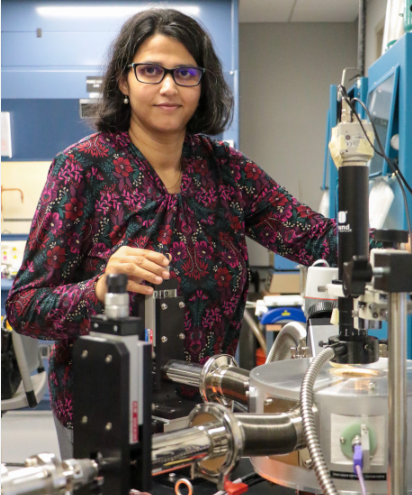
Sharing a Love of Electrical Engineering With Her Students
“As a young girl, I always knew I wanted to be a scientist,” Dr. Tania Roy shares as she sits in her Duke Engineering office located next to state-of-the-art research equipment. The path to achieving…
-
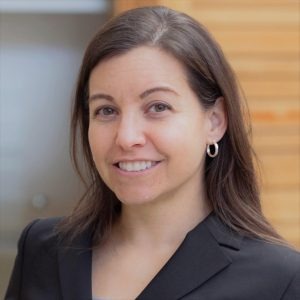
International Experience Shaped Epidemiologist’s Career Path
In the complex world of scientific exploration, definitive answers often prove elusive, and each discovery brings with it a nuanced understanding that propels us forward. Dr. Dana Kristine Pasquale’s journey in public health serves as…
-
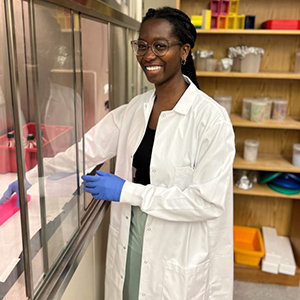
Scientific Passion and the Aspirations of a Young Scientist
Meet Dr. Oyindamola Adefisayo – Oyinda to her friends – a Postdoctoral Research Fellow at Duke. She’s exploring bacterial factors in host-pathogen interactions using mice. During our interview, parallels in our journeys became clear. Even…
-
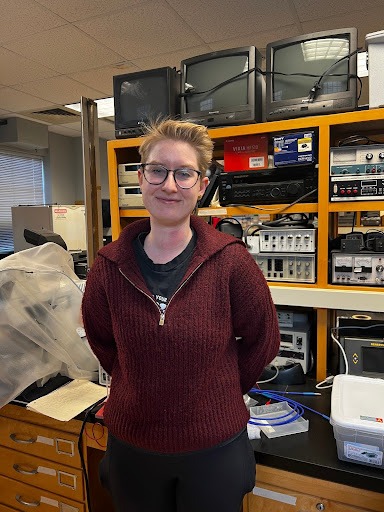
How Do Animals – Alone or in Groups – Get Where They’re Going?
In the intricate world of biology, where the mysteries of animal behavior unfold, Dr. Jesse Granger emerges as a passionate and curious scientist with a Ph.D. in biology and a penchant for unraveling the secrets…
-

Solving More Medical Device Challenges by Teaching Others How
Eric Richardson is a professor of the practice in Biomedical Engineering and founding director of Duke Design Health. His research and teaching centers around medical device design and innovation, with a focus on underserved communities. …
-
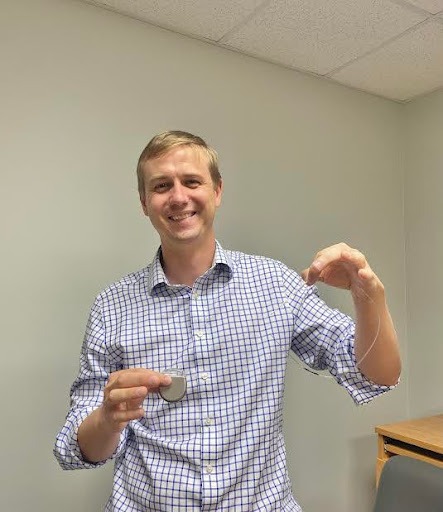
Pioneering New Treatments in Deep Brain Stimulation for Parkinson’s Disease
Meet a star in the realm of academic medicine – Dr. Kyle Todd Mitchell! A man who wears many hats – a neurologist with a passion for clinical care, an adventurous researcher, and an Assistant…
-
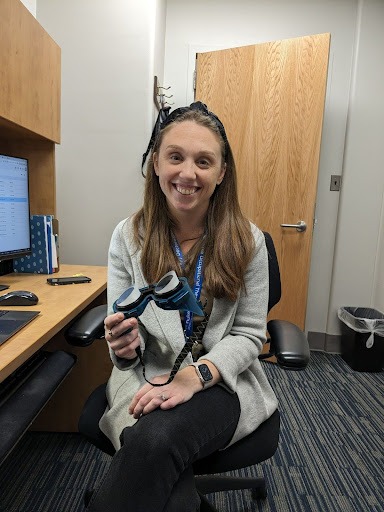
From Occupational Therapy to Stroke Research
Dr. Kimberly Hreha’s journey to studying stroke patients was not a straightforward one, but it started very early. “My mom was a special ed teacher, and so I would go into her class and volunteer.…
-

Cybersecurity for Autonomous Systems
Over the past decades, we have adopted computers into virtually every aspect of our lives, but in doing so, we’ve made ourselves vulnerable to malicious interference or hacking. I had the opportunity to talk about…
-
Her Research Path Winds Through a Plant’s Growth
The beauty of research is that it allows you to take control of your own path. “We are very lucky to be in the position to decide what we love to do and do it,”…
-
A Computer Scientist Investigating the Source Code of Life
We are all born with defining physical characteristics. Whether it be piercing blue eyes or jet black hair, these traits distinguish us throughout our entire lives. However, there is something that all of our attributes…
-
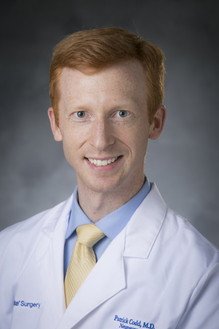
Inventing New Ways to Do Brain Surgery
Dr. Patrick Codd is the Director of the Duke Brain Tool Laboratory and an Assistant Professor of Neurosurgery at Duke. Working as a neurosurgeon and helping with the research and development of various neurosurgical devices…
-
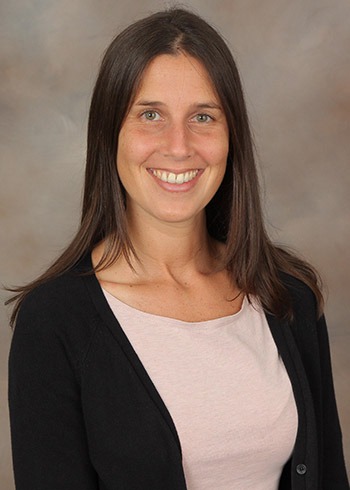
Working Through Frustrations to Understand Nature Better
Research is a journey full of uncertainty in which scientists have to construct their own path, even if they’re unsure of what the end of the journey actually is. Despite this unpredictability, researchers continue their…
-
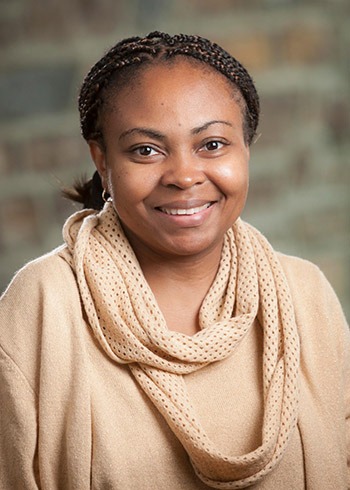
Infants, Immunity, Infections and Immunization
Dr. Giny Fouda’s research focuses on infant immune responses to infection and vaccination. Her curiosity about immunology arose during her fourth year of medical school in Cameroon, when she randomly picked up a book on…
-
Games, Art, and New Frontiers
Beneath Duke University’s Perkins library, an unassuming, yet fiercely original approach to video games research is underway. Tied less to computer science and engineering than you might expect, the students and faculty are studying games…
-
Sharing is Caring, But How Does it Start?
As an occasional volunteer at a local children’s museum, I can tell you that children take many different approaches to sharing. Some will happily lend others their favorite toys, while others will burst into tears…
-
How Do You Engineer a Microbial Community?
This is the first of several posts written by students at the North Carolina School of Science and Math as part of an elective about science communication with Dean Amy Sheck. Claudia Gunsch, the Theodore…
-

Understanding the Universe, Large and Small
From the miniscule particles underlying matter, to vast amounts of data from the far reaches of outer space, Chris Walter, a professor of physics at Duke, pursues research into the great mysteries of the universe,…
-
Pursuing Smell as a Path Into the Brain
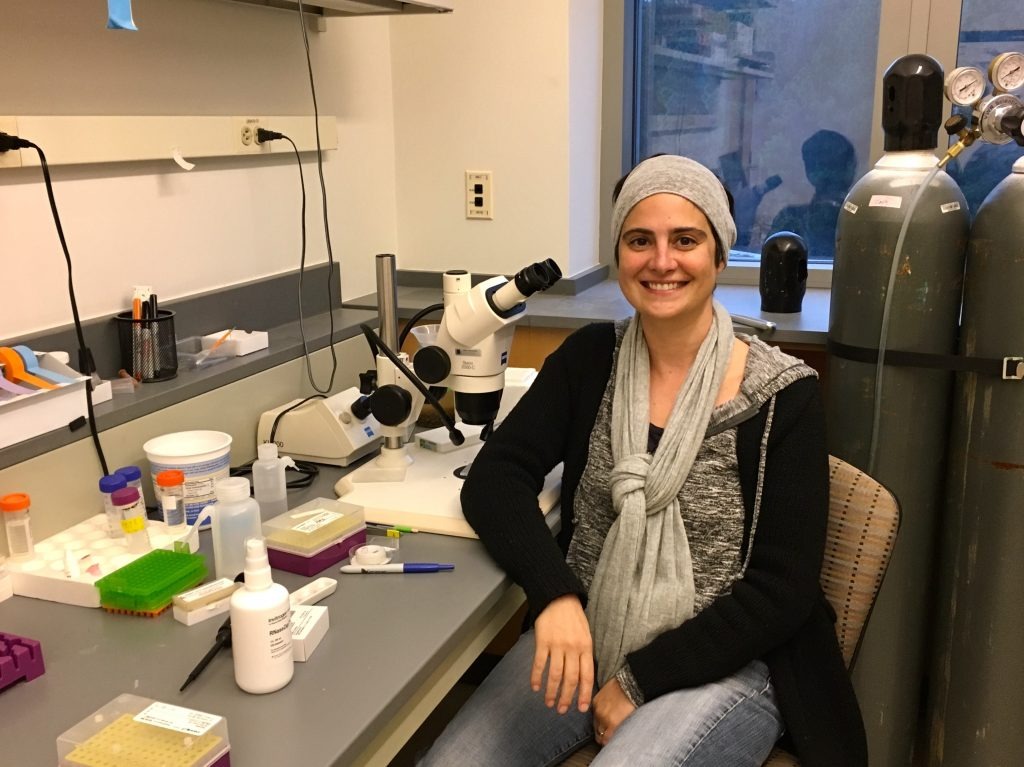
A person’s (or fly’s) sense of smell, or their olfactory system, is one of these pieces. Though olfaction may not be the first part of the nervous system to cross someone’s mind when it comes…
-
An Indirect Path to Some Extreme Science
Dr. Cynthia Darnell’s path to becoming a postdoctoral researcher in the Amy Schmid Labat Duke University was, in her words, “not straightforward.” At the start of her post-high school career, Darnell had no clue what…
-
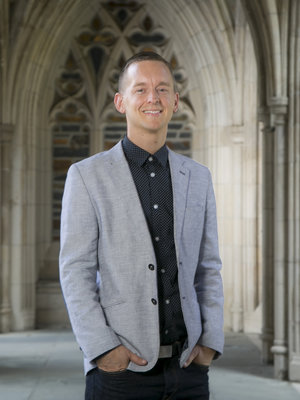
Finding Success in Science and the Economic Brain
How can we understand how humans make decisions? How do we measure the root of motivation? Gregory Samanez-Larkin, an assistant professor in Psychology & Neuroscience at Duke, uses neuroeconomic and neuromarketing approaches to seek answers…
-
Tiny Bubbles of Bacterial Mischief
Margarethe (Meta) Kuehn studies vesicles — little bubbles that bud off bacterial membranes. All sorts of things may be tightly packed into these bubbles: viruses, antigens, and information a bacterium will need to make cells…
-
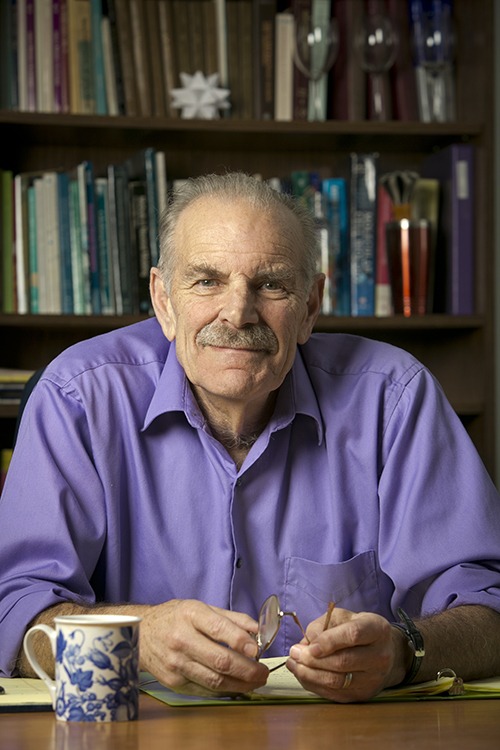
Biology by the Numbers
Michael C. Reed was trained as a pure mathematician, but from the start, he was, as he explained to me, a “closet physiologist.” He’s a professor of mathematics at Duke, but he’s always wondered how…
-
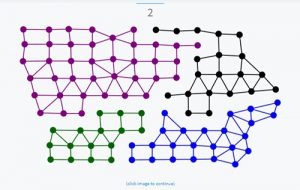
Jonathan Mattingly: Mathematics and Maps to Define Democracy
What began as an undergraduate project looking at how to create a “typical” map of congressional districts expanded to a national investigation for Duke mathematics chair Jonathan Mattingly. He was generous enough to speak to…
-
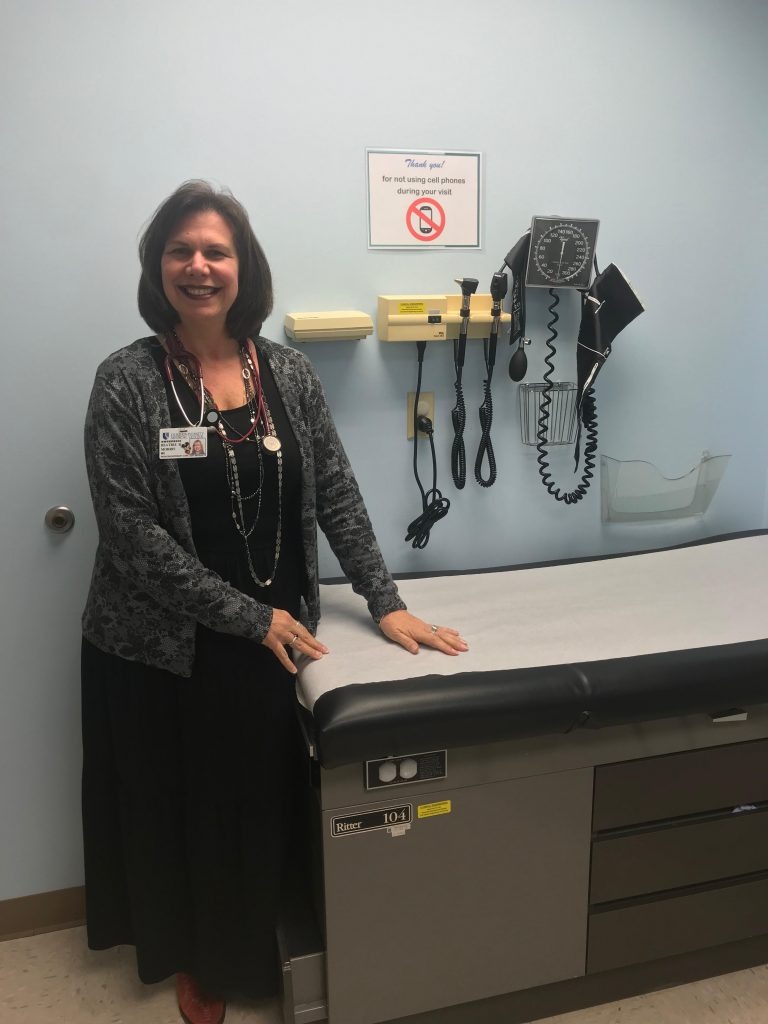
Beatriz Morris: Providing Pediatric Care in Two Languages
“‘Betty, education is the most important thing,” her father said. “We lost our home, our land, our cars, our farm, everything we have ever owned. But what I have in my head, no one can…
-
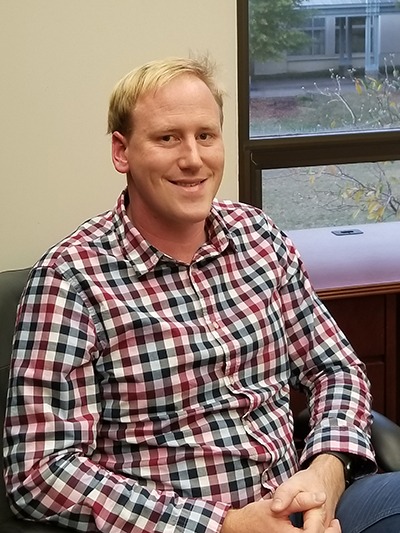
David Carlson: Engineering and Machine Learning for Better Medicine
How can we even begin to understand the human brain? Can we predict the way people will respond to stress by looking at their brains? Is it possible, even, to predict depression based on observations…
-
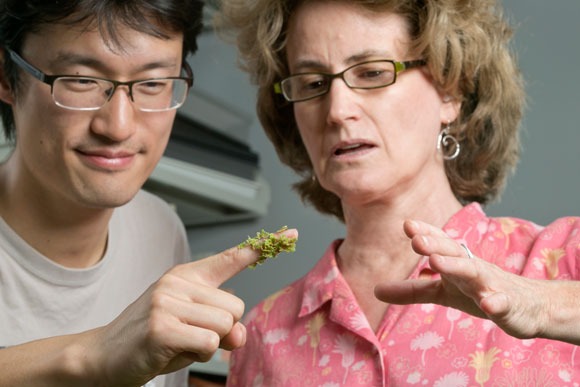
Kathleen Pryer: A Passion for the Little-Loved Fern
Most people don’t see in ferns the glory and grandeur of the mighty angiosperms — the flowering plants — but to those who can, ferns may seem like the only thing you could spend your…
-
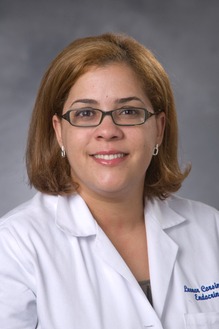
Leonor Corsino: Research and Care Toward Alleviating Diabetes
Dr. Leonor Corsino works to relieve the prevalent issues regarding diabetes and obesity. An endocrinologist and professor at the Duke School of Medicine, her passions lie in understanding the struggles that diabetics face through comprehensive…
-
Martin Brooke: Mentoring Students Toward an X Prize for Ocean Robotics
We know less about the ocean floor than the surface of the moon. As one of the most unexplored areas of the world, multiple companies have begun to incentivize ingenuity towards exploring the oceans. Among…
-
Anita Layton: A Model of STEM Versatility
Using mathematics to model the kidney and its biological systems is a field of study located at the intersection of two disciplines. But for Duke’s Anita Layton, PhD, the Robert R. and Katherine B. Penn…
-
Not Your Basic Bench: Zebrafish Reveal Secrets of the Developing Gut
Our intestine is a highly complex organ – a tortuous, rugged channel built of many specialized cell-types and coated with a protective, slimy matrix. Yet the intestine begins as a simple tube consisting of a…
-
Totally Tubular! Fluid forces that affect the development of biological tubes
Have you ever wondered how something as simple as fluid can impact the development of a large organism? How about the way tubes form in relation to each other? Or maybe you’ve wondered how it…
-

Treating Traumatic Brain Injury
After a traumatic brain injury (TBI), the brain produces an inflammatory response. This prolonged swelling is known as cerebral edema and can be fatal. Unfortunately, the only medications available just address symptoms and cannot directly…
-
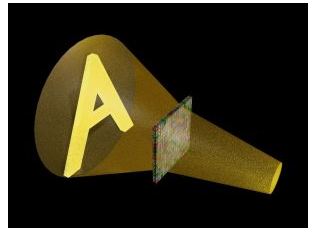
Acoustic Metamaterials: Designing Plastic to Bend Sound
I recently toured Dr. Steven Cummer’s lab in Duke Engineering to learn about metamaterials, synthetic materials used to manipulate sound and light waves. Cummer’s graduate student Abel Xie first showed me the Sound Propagator. It…
-
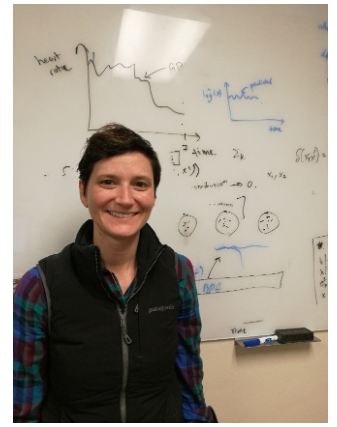
Using the Statistics of Disorder to Unravel Real-World Chaos
What do election polls, hospital records, and the Syrian conflict have in common? How can a hospital use a patient’s vital signs to calculate their risk of cardiac arrest in real time? Statistician Rebecca Steorts…
-
Life Lessons from a Neuroscientist
I recently had the privilege of sitting down with Dr. Anne Buckley, a professor and neuropathologist working in Dr. Chay Kuo’s cell biology lab at Duke. I got a first-hand account of her research on…
-
Evolutionary Genetics Shaping Health and Behavior
Dr. Jenny Tung is interested in the connections between genes and behavior: How does behavior influence genetic variation and regulation and how do genetic differences influence behavior? An assistant professor in the Departments of Evolutionary…
-

Of Muscles and Men: Synthetic Skeletal Muscle
We live in an age where new bionic limb models appear every week and tissues can be 3D-printed. Considering these exciting advances, it should come as no surprise that researchers are coming closer to engineering…
-
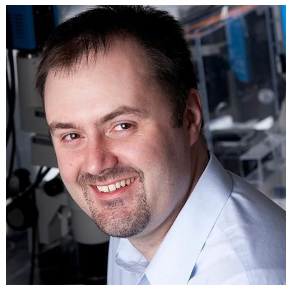
Measuring the Mechanical Forces of Disease
“All these complicated diseases that we don’t have a good handle on — they all have this mechanical component. Well why is that?” This is exactly the question Brent Hoffman, Duke biomedical engineering assistant professor,…
-
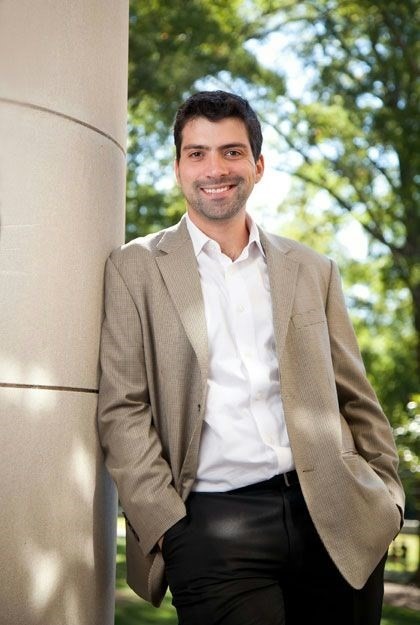
Where Memory Meets Imagination
Imagine two scenarios. In the first, one of your close friends is driving down the road when, from behind, they hear the sound of wailing sirens. They pull off onto a sidestreet and ten minutes…
-
Fighting Malaria with Economics, Coordination
At the Duke Global Health Institute, their academic base is relatively small; only 375 students have completed global health programs at Duke since 2008. But their partnerships span much farther than the Duke campus. Malaria…
-
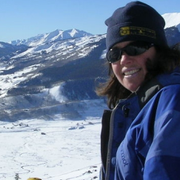
An Unconventional Career Map
Landscape ecologist Jennifer Swenson has a very special set of skills that come from having an “unconventional academic trajectory.” Her diverse and interesting career began at UC Santa Barbara, where she chose to learn about…
-
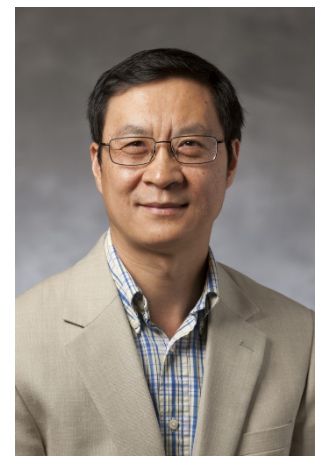
Checking in on Air Pollution — With an Expert!
I had the pleasure of meeting and interviewing Duke Professor Junfeng “Jim” Zhang, an avid environmental health researcher who has done amazing work on air pollution research. Because of my own interest in air pollution…
-
Multidimensional Student Maps Multidimensional Data
As I walked up to Gross Hall at Duke University, I felt nervous with butterflies in my stomach and honored to be able to interview Chris Tralie, a mathematician, computer scientist, musician, and music enthusiast.…
-
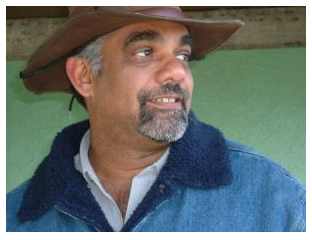
Is it Computer Science or Biology? A Bit of Both
The National Evolutionary Synthesis Center (NESCent), is tucked away behind the supermarkets and youth-infested restaurants on Ninth Street in Durham. It’s a National Science Foundation brainchild with the purpose of consolidating data collected on small…
-
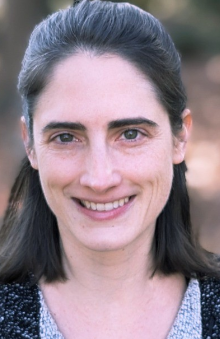
Engineer Wants to Get Antibiotics Right
For those who study antibiotic resistance, a future where people die from infected cuts or the measles is not some horrible alternative universe but something that could very well be a reality soon. In 1998,…
-
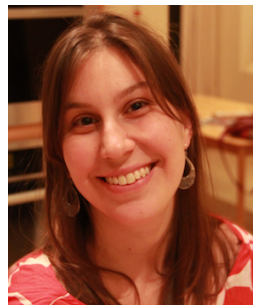
Disease Modeler Does Commentary Too
How do scientific research and social commentary relate? The answer became clear during my conversation with Rotem Ben-Shachar, a PhD candidate in the Computational Biology and Bioinformatics program at Duke, who is interested in understanding…
-
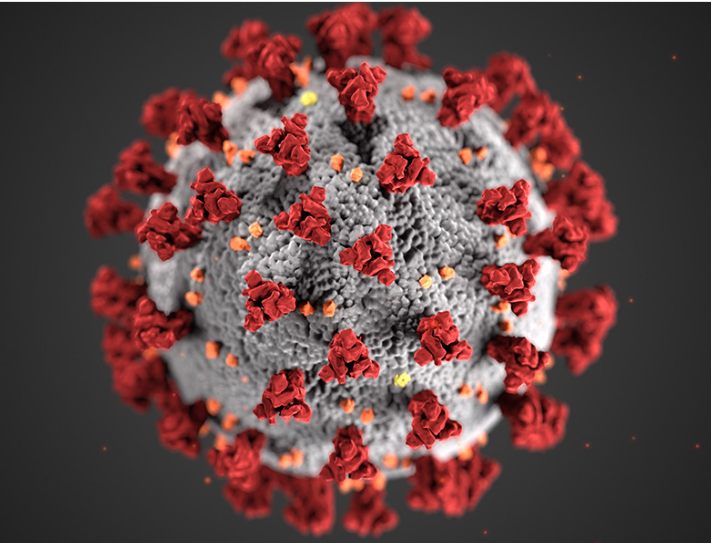
Passion, Modeling and Viruses are all Cool
Viruses are very cool. Ashley Sobel taught me that. Sobel is an MD/PHD student at Duke. She currently works in the Koelle Research Group, a group that focuses on using mathematical models to understand the…
-
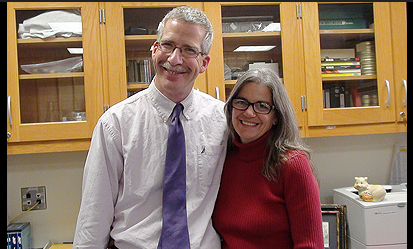
Schmitt Blends Locomotion and Arthritis
Walking up to the Trent Semans Center at Duke University to interview Dr. Daniel O. Schmitt, professor of Evolutionary Anthropology and teacher of anatomy at Duke University, I couldn’t help but wonder why he would…